
Understanding the Concept of Luck
Luck is often perceived as a mystical force that influences the outcomes of various games, including those played in casinos. People frequently attribute their wins or losses to chance, viewing luck as an external force that can unpredictably favor one player over another. This belief has profound effects on the attitude of gamblers, with some believing that certain rituals, charms, or superstitions can enhance their luck, especially when engaging with australian betting sites that offer unique gaming experiences. The concept of luck varies culturally and personally; for some, it might involve lucky numbers or personal totems that they carry while gambling.
From a psychological standpoint, the notion of luck can significantly affect decision-making and risk assessment in gambling. When players feel “lucky,” they may take bigger risks, betting larger amounts in hopes of a favorable outcome. This not only highlights an emotional connection to the idea of luck but also showcases how it can lead to irresponsible gambling behavior. The dichotomy of feeling lucky or unlucky can sway a player’s mood, potentially impacting their future gambling strategies and outcomes.
Furthermore, the idea of luck raises questions about randomness and probability. While many games are designed with a level of unpredictability—such as card games or slot machines—the outcomes are ultimately determined by mathematical formulas. Understanding that luck is not an omnipotent force but rather a reflection of probability can lead gamblers to approach their games more strategically, focusing on skill and calculation instead of mere chance.
Common Misconceptions About Luck in Gambling
One prevalent misconception is that luck can be quantified or tracked over time. Many players may believe that they can predict when they are due for a winning streak based on their past wins or losses. In reality, each gaming session is an independent event, governed by the random nature of the game. For example, in games of chance like roulette, the outcome of previous spins does not influence future spins; this is known as the gambler’s fallacy. This belief can mislead players into thinking they have the ability to predict outcomes based on past results.
Another myth surrounds the notion of “hot” and “cold” machines or tables. Gamblers often speak of slots that are due for a payout or card tables that have not seen a win in a while. This belief can lead to the irrational notion that players can identify a machine or table that is more favorable simply due to recent past performance. However, these ideas are fundamentally flawed, as each spin or hand is randomized and does not retain memory of previous results. This misconception can lead to misguided strategies and potentially greater losses.

Additionally, many players believe that engaging in certain rituals can influence their luck during gambling sessions. Whether it’s wearing a specific outfit, saying a mantra, or even tapping the machine, these actions are based on superstitions rather than any factual basis in influencing outcomes. While these practices may raise a player’s confidence and provide a psychological edge, they do not change the inherent probabilities of the games being played. Understanding these misconceptions is crucial for approaching gambling with a more realistic mindset.
The Role of Skill Versus Luck
In many gambling scenarios, particularly those involving strategy, the role of skill can often overshadow luck. Games such as poker require an understanding of probability, player behavior, and strategies that can significantly enhance a player’s chances of winning. Unlike purely random games, where luck reigns supreme, skilled players can capitalize on their knowledge to make informed decisions that can lead to better outcomes. In this context, luck becomes less of a dominating factor and more of an element that influences the game’s dynamics.
Furthermore, in games that combine both skill and chance, players often have a better chance of overcoming short-term luck variations through their experience and techniques. For instance, in blackjack, employing proper strategy can help players minimize losses and increase their chances of winning over time. This highlights the importance of recognizing the balance between skill and luck in gambling, encouraging players to invest time in learning the intricacies of their chosen games.
The interplay between skill and luck can also affect the mentality of gamblers. Recognizing that skill can be developed and improved upon can encourage a more disciplined approach to gambling, contrasting with the notion that luck is simply a matter of chance. By focusing on skill-based games or learning strategies that enhance decision-making, players can enjoy a more satisfying and potentially rewarding gambling experience, distancing themselves from the myths associated with luck.
The Psychological Impact of Luck Myths
The belief in luck can create significant psychological effects that impact a gambler’s behavior and overall gambling experience. The highs of a lucky win can elicit feelings of euphoria, while bad luck can lead to frustration, self-doubt, and even addiction. These emotional swings are often exacerbated by cognitive biases, such as confirmation bias, where players remember wins more vividly than losses, reinforcing their belief in luck as a pivotal factor. This cycle can make it difficult for gamblers to objectively assess their experiences.
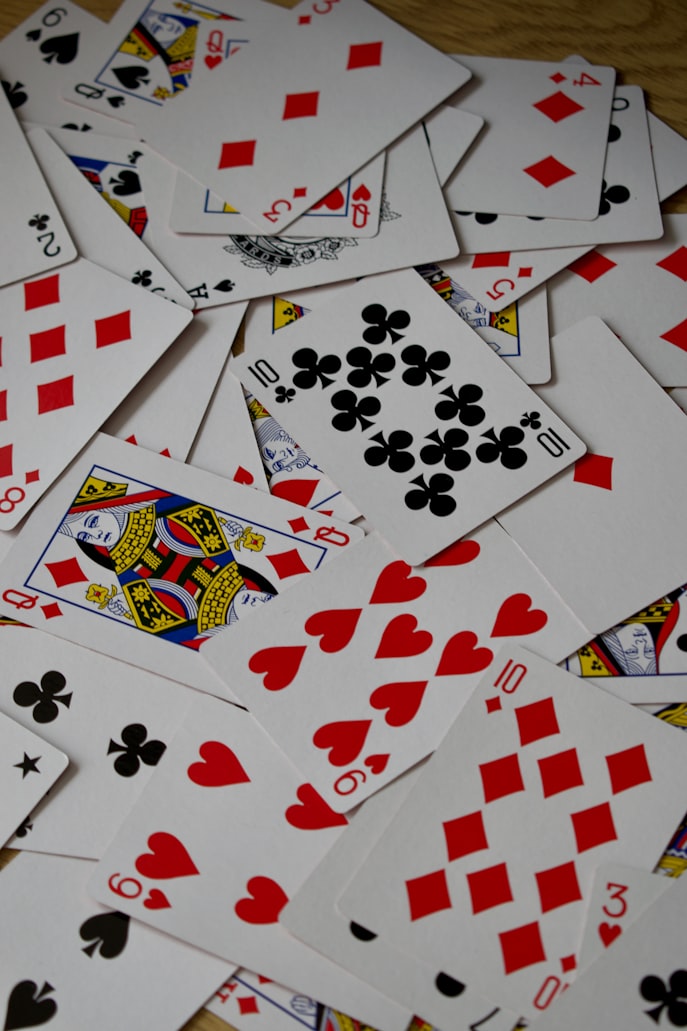
Moreover, the reliance on luck can lead to increased gambling behaviors and risk-taking. Players who believe they are lucky may chase losses, risking more than they can afford in hopes of turning their luck around. This phenomenon can lead to a dangerous path of compulsive gambling, where individuals find themselves trapped in a cycle of chasing luck rather than making informed financial decisions. Understanding the psychological hooks embedded in the myths of luck is essential for responsible gambling practices.
Additionally, the social aspect of luck in gambling creates group dynamics that can perpetuate these myths. Sharing stories of lucky wins or rituals among players can create an echo chamber that reinforces belief in luck. This can impact new or inexperienced players, shaping their understanding of gambling without regard to the mathematical realities of the games. Recognizing these social influences is crucial in fostering a healthier approach to gambling behaviors, encouraging individuals to rely on knowledge and strategy rather than myths.
Final Thoughts on Luck and Gambling
As an integral part of the gambling experience, it is important to unravel the myths surrounding luck to foster a healthier understanding of games and strategies. Players who acknowledge the role that probability and skill play in their gaming can make more informed decisions and approach gambling with a realistic mindset. Recognizing that luck is a fleeting and sometimes illusory force can help mitigate the emotional highs and lows associated with gambling.
Moreover, as the gambling landscape continues to evolve, the importance of education and awareness around these myths cannot be overstated. Players are encouraged to engage in thorough research and consider responsible gambling practices that prioritize enjoyment over the pursuit of luck. By embracing skill and strategy, players can work towards a more balanced and fulfilling gambling experience, reducing the influence of the luck myth on their outcomes.
For those looking to explore the fascinating world of gambling, understanding these elements is crucial. The interplay of luck, skill, and psychology can shape the gambling journey, creating a more comprehensive view of the games. By focusing on informed play and awareness, individuals can navigate the world of gambling while minimizing the pitfalls associated with chasing luck, leading to an overall more enriching experience.