
The Allure of Gambling: Understanding Attraction
The world of gambling is intrinsically tied to the excitement and risk of uncertainty regarding outcomes. Modern casinos are meticulously designed to captivate and enthrall individuals, creating an environment where the allure of potential winnings often overshadows the risks of loss. This psychological draw is multifaceted, tapping into basic human emotions such as hope, desire, and even fear. Interestingly, many enthusiasts seek the best online casino australia to replicate that thrill from the comfort of their homes. As players step into a casino, the vibrant sights and sounds stimulate their brains, leading to a heightened sense of arousal that can make the experience exhilarating.
This arousal is compounded by the layout of casinos, which often feature an open floor plan that encourages exploration. The absence of clocks and windows creates a timeless atmosphere, making it easy for patrons to lose track of time and money. The psychological concept known as “temporal discounting” plays a significant role here; immediate rewards from gambling can seem more tangible and appealing than the long-term consequences of losing money. As players indulge in this environment, they may rationalize their decisions, focusing on the thrill rather than the reality of their financial situation, leading to increased engagement.
Moreover, the communal aspect of gambling enhances its appeal. Many games, such as poker and blackjack, involve social interaction, which can create a sense of camaraderie among players. This social reinforcement can lead individuals to gamble more, as they feed off one another’s excitement and successes. The thrill of winning becomes not just a personal victory but a shared experience, reinforcing their engagement with the casino and its offerings. Ultimately, this blend of individual and collective psychology serves to maintain the allure of gambling in modern casinos, making it a compelling form of entertainment.
Risk and Reward: The Psychological Calculus
The psychology of gambling is heavily influenced by the perception of risk and reward. Behavioral economics indicates that humans often make irrational decisions when evaluating potential gains versus losses. People tend to overvalue small probabilities of winning significant rewards, leading them to engage in gambling behaviors that they would typically avoid in other contexts. This phenomenon is particularly evident in games like slot machines, where the idea of hitting a jackpot can lead to a euphoric state that overrides rational thought.
Interestingly, the variability in outcomes plays a crucial role in sustaining gambling behavior. Known as the “variable ratio reinforcement schedule,” this psychological mechanism means that players are rewarded at unpredictable intervals. This uncertainty can lead to what is often referred to as the ‘near-miss effect,’ where players who nearly win feel compelled to continue playing in hopes of achieving that elusive success. This creates a cycle of reinforcement where anticipation becomes as thrilling as the actual reward, keeping individuals engaged longer than they might have originally intended.

A deeper understanding of personal risk tolerance also reveals why some individuals may gamble more heavily than others. Psychological profiles indicate that those with a higher tolerance for risk may find the experience more enjoyable, often seeking out the adrenaline that comes with betting large amounts. This could be tied to underlying personality traits such as impulsivity or sensation-seeking, compelling certain individuals to chase the thrill of gambling, even in the face of substantial losses. Ultimately, this interplay of risk and reward shapes not only individual behaviors but also broader gambling trends within modern casinos.
The Role of Marketing and Design in Gambling Psychology
Casinos deploy sophisticated marketing strategies that leverage psychological principles to attract and retain customers. From promotional offers to loyalty programs, the goal is to create a compelling narrative around gambling that enhances the emotional experience. Marketing campaigns often highlight the glamorous lifestyle associated with big wins, tapping into desires for social status and validation. This can create a psychological predisposition that nudges individuals toward viewing gambling as a pathway to achieving their aspirations, making it a desirable activity.
The design of the casino itself is another critical component influencing gambling behavior. Color psychology plays a significant role; vibrant colors evoke excitement and energy, while softer hues can create relaxation, making patrons more likely to stay longer. The strategic placement of games and amenities guides player movement while enticing them with visual cues that stimulate interest. For instance, players may be drawn to brightly lit slot machines that promise immediate gratification, often overlooking other games with higher odds that might offer better long-term returns.
Finally, the integration of technology has transformed the gambling landscape, with online platforms utilizing data analytics to tailor experiences to individual preferences. This personalized approach enhances engagement and extends gambling behaviors beyond the traditional casino setting. Gamification elements, such as rewards for milestones and interactive features, appeal to the competitive nature of players, driving them to invest further. As technology continues to evolve, the psychology of gambling will undoubtedly adapt, further shaping the experiences offered by modern casinos and enhancing their draw.
Behavioral Patterns and Gambling Addiction
The psychology of gambling is complex, particularly concerning addiction. Many individuals enter casinos with a casual mindset, but the stimulating environment can lead to problematic behaviors. Factors such as past experiences, emotional state, and social interactions contribute to the likelihood of developing gambling-related issues. For some, the thrill of winning can become compulsive, leading to a cycle of chasing losses as they attempt to recapture a winning streak that often eludes them, creating a detrimental cycle.
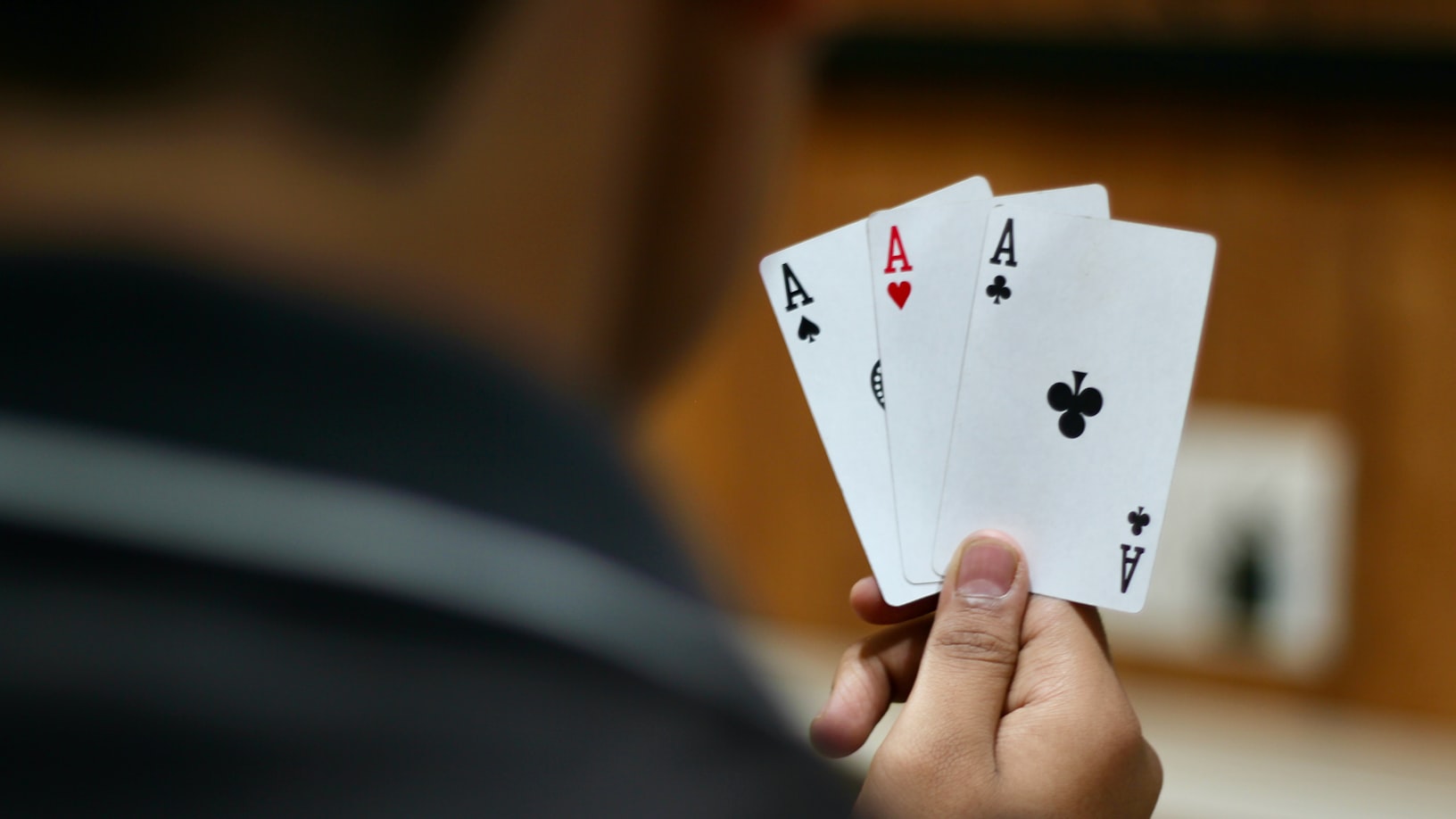
Understanding gambling addiction necessitates a look at cognitive distortions, which can influence players’ perceptions of risk and reward. For instance, many gamblers experience an illusion of control, believing they can influence the outcome of a game through skill or strategy, even in games of chance. Such beliefs can further entrench them in their gambling behaviors, as they rationalize continued play despite negative consequences. This disconnect between reality and perception is a central theme in the psychology of compulsive gambling, complicating the path to recovery.
Support and treatment for gambling addiction have evolved in response to growing awareness of this issue. Therapeutic approaches often focus on cognitive-behavioral techniques that help individuals reframe their thoughts and behaviors. Education about the odds and misconceptions surrounding gambling can empower individuals to make informed choices. Additionally, support groups provide a sense of community for those struggling with their habits, offering a space to share experiences and recovery strategies. Acknowledging the psychological nuances of gambling addiction is crucial for informing preventive measures and supporting affected individuals on their journey to recovery.
Conclusion: Navigating the Complex World of Gambling
As we explore the psychology of gambling in modern casinos, it becomes clear that the interplay between environmental design, individual psychology, and social dynamics is intricate and multifaceted. Understanding the motivations behind gambling behavior can provide valuable insights for casino operators and policymakers seeking to create safer gambling environments. Additionally, this knowledge is essential for individuals to navigate their own gambling experiences and make informed decisions about their participation in such activities.
The world of gambling is continually evolving, influenced by technological advancements and changing societal norms. As players seek out new experiences, whether on traditional casino floors or online platforms, the psychological principles at play will remain constant. By recognizing the factors that drive gambling behavior, we can better comprehend the excitement, risks, and consequences associated with it, thereby fostering a healthier engagement with gambling.
Ultimately, resources are available for those interested in deepening their understanding of gambling psychology. Knowledge is a powerful tool in fostering responsible gambling behavior, helping individuals enjoy the thrill of the game while minimizing risk. Through ongoing education and awareness, we can all contribute to a healthier dialogue around gambling in modern society, paving the way for more sustainable practices within the industry and ensuring that the excitement of gambling is enjoyed safely and responsibly.