
The Allure of Ambiance
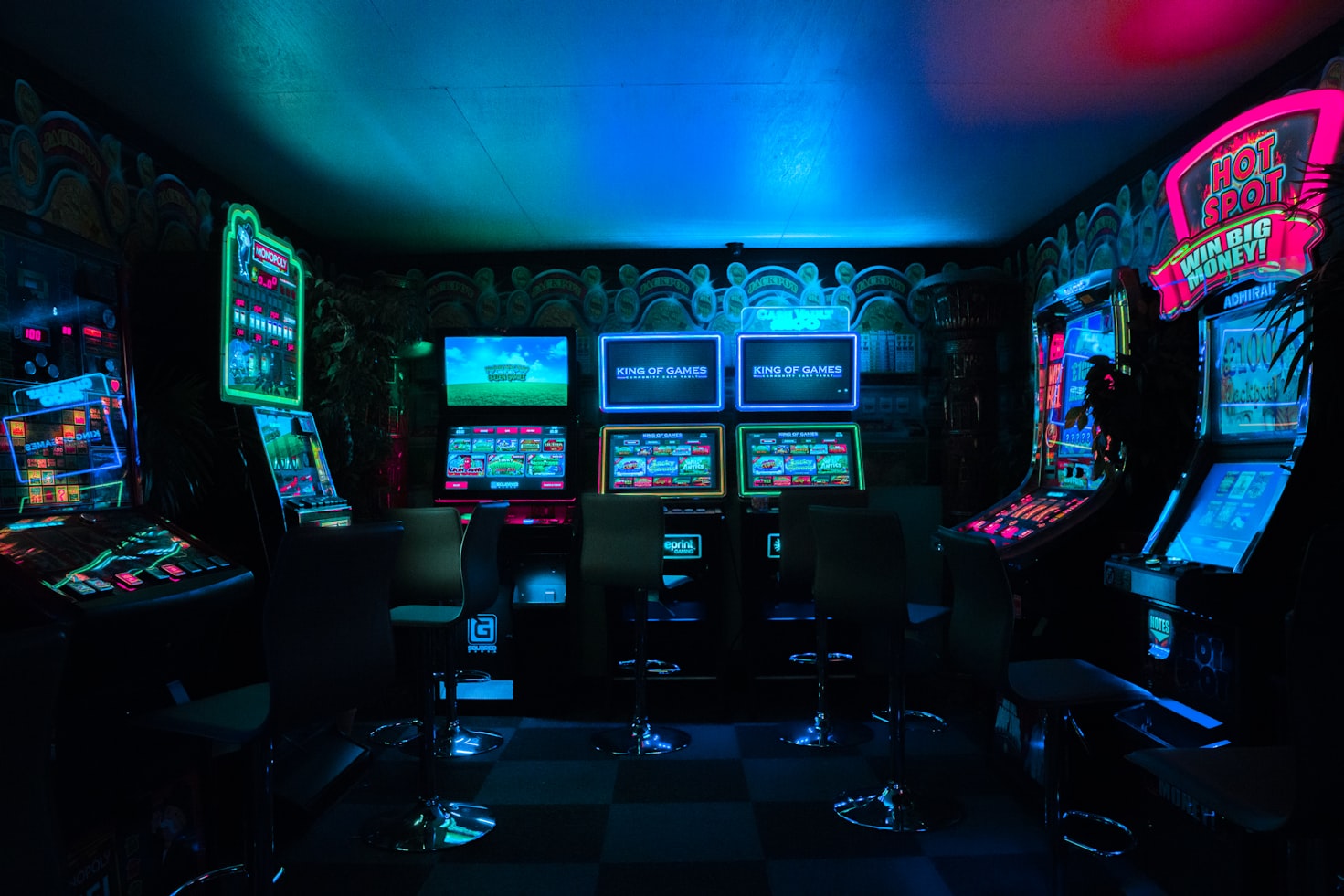
The ambiance of a casino plays a crucial role in shaping visitors’ experiences and driving their behavior. Designers meticulously curate the lighting, sounds, and overall aesthetics to elicit specific emotional responses. Bright, flashing lights and sounds of jingling coins create an energetic atmosphere, enticing players to engage in gaming activities, often leading them to explore casinos sister sites for even more options. For instance, many casinos utilize ambient music that is upbeat yet not too distracting, maintaining a balance that encourages prolonged stays without overwhelming guests.
Another important aspect is the layout of the casino floor. Most casinos employ an open and spacious design that encourages exploration. Guests often wander from game to game, mesmerized by the vibrant colors and stimulating visuals, which leads them to bet more frequently. This deliberate design choice reduces barriers, fostering a sense of excitement and adventure among patrons as they navigate through a maze of gaming options.
Moreover, casinos invest heavily in sensory elements to nurture a unique atmosphere. The scent of freshly prepared food wafts through the air, stimulating appetites and prompting patrons to take breaks from gaming. By engaging multiple senses simultaneously, casinos create an immersive experience that not only captivates guests but also keeps them returning for more, cementing the importance of ambiance in casino design psychology.
Encouraging Player Engagement
Casinos are designed to keep players engaged for extended periods, and this is achieved through strategic placement of games and rewards. Slot machines, for example, are often lined up in dense clusters to enhance competition and excitement among players. This layout encourages individuals to play longer and try more machines, as the thrill of winning becomes contagious, especially in a bustling environment where others are experiencing wins.
The reward system within casinos also influences player behavior significantly. Most games are designed to provide frequent, small wins to create a sense of success and motivation. This psychology, known as the “near-miss effect,” describes how players become hopeful and encouraged after experiencing near wins. The design of these games often cultivates an illusion of control, where players feel their strategy and decisions impact the outcome, driving them to continue playing in pursuit of that elusive jackpot.
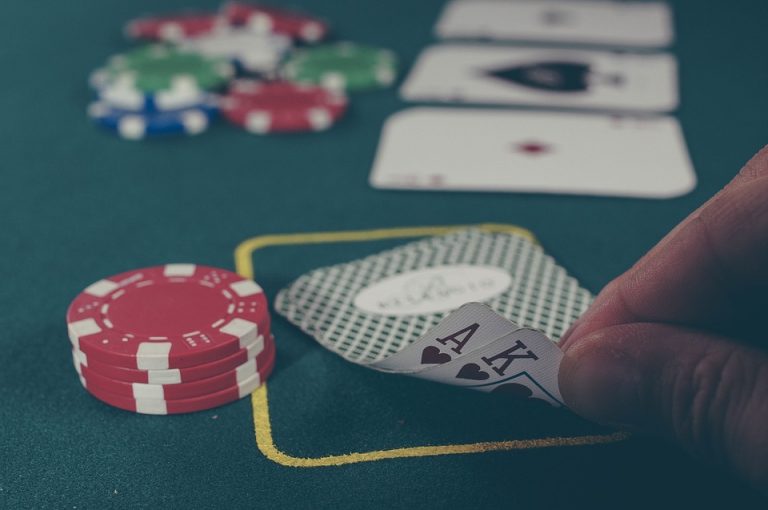
Furthermore, casinos often integrate loyalty programs that reward players for their time and money spent. Such initiatives build lasting relationships between patrons and casinos, ensuring repeat business. By implementing tiered rewards that offer increasingly valuable benefits, casinos effectively encourage players to engage with their establishment over competitors, reinforcing the principle of engagement in casino design.
Psychological Triggers and Behavioral Nudges
Psychological triggers are embedded in casino design to capitalize on human behavior and decision-making patterns. One notable trigger is the use of color psychology. For instance, vibrant reds and yellows are associated with excitement and stimulation, often used in gaming areas to evoke enthusiasm among players. These colors not only draw attention but also create an emotional high that can lead to increased betting and risk-taking behavior.
Additionally, the design of gaming machines often utilizes visual and auditory cues to reinforce positive outcomes. The sounds of coins clinking or celebratory music playing when a player wins create an association between the game and pleasure. These triggers are carefully designed to induce excitement and compel players to continue, as they become conditioned to seek the thrill that accompanies winning experiences.
Nudges, or subtle shifts in the environment that influence decision-making, are also prevalent in casinos. For example, the placement of high-stakes games at the back of the casino encourages players to pass through lower-stakes areas, increasing exposure to more games. This type of design intentionality can lead to impulsive decisions, as players may opt for higher bets simply because they are drawn deeper into the casino’s environment. Such psychological tactics underscore the interplay between design and human behavior in these vibrant spaces.
Creating a Sense of Community
Casinos are more than just places for gambling; they foster a sense of community among patrons. The layout is often designed to create social spaces where players can gather, share experiences, and celebrate wins together. Lounges and communal areas are strategically placed to encourage interaction, forming bonds among players that can enhance the overall experience. This social aspect helps guests feel more connected and engaged, making them more likely to return.
Events and tournaments are also employed to strengthen community ties. These gatherings create a thrilling environment and offer players the chance to compete against one another, enhancing the camaraderie and excitement of gaming. By hosting regular events, casinos not only attract repeat visitors but also build a loyal community around their brand, which is critical for long-term success.
The design of these social spaces is often open and inviting, encouraging guests to linger and interact. By fostering an inclusive atmosphere, casinos create a sense of belonging that resonates with visitors on a deeper level, reinforcing their desire to return and participate in the vibrant social scene. This element of community is strategic in building long-lasting relationships with patrons.
Discovering The Impact of Online Awareness
As the landscape of gambling evolves, the impact of online casinos is increasingly relevant to traditional casino design strategies. To counter the appeal of online gaming, physical casinos are innovating their designs to provide unique experiences that cannot be replicated in a virtual environment. By enhancing social elements and creating immersive themes, casinos are redefining their physical spaces to attract players who seek interaction along with gambling.
Moreover, many casinos are now incorporating technology into their designs to enhance the user experience. Interactive displays, augmented reality experiences, and mobile applications allow guests to engage with the casino in innovative ways. By blending technology with traditional design elements, casinos can create a comprehensive experience that appeals to the tech-savvy generation while maintaining the classic allure of physical gaming.
Furthermore, as online gaming platforms grow in popularity, casinos are also adopting strategies to bridge the gap between online and offline experiences. Some establishments now offer players the ability to earn rewards that can be used both online and in-person. This integration not only provides added value to patrons but also helps casinos maintain their relevance in a rapidly changing market, showcasing the importance of adaptability in design psychology.