
The Allure of the Environment
The design of casinos is meticulously crafted to create an irresistible allure that draws visitors in and keeps them engaged. From the moment a guest steps through the entrance, they are enveloped in a carefully curated atmosphere designed to evoke excitement and comfort. Marked by vivid colors, striking artwork, and ambient lighting, the physical environment plays a crucial role in influencing a patron’s mood and behavior. Designers use these elements to encourage exploration and prolong the stay of each visitor, which includes the appeal of an instant withdrawal casino that can enhance the overall experience, instrumental in maximizing gaming time.
In many cases, the layout is intentionally disorienting. Casinos often utilize a labyrinthine design where customers can easily become lost amidst slot machines and table games, inadvertently fueling a sense of adventure and endless possibilities. This strategic use of space keeps players moving, engaging them with the next game or slot just around the corner, ultimately enhancing the likelihood of more spending. The sensory stimulation provided by sounds, such as the clinking of coins and the celebratory jingles of winning spins, further establishes an inviting environment that captivates the senses.
This intricate balance between visual appeal and psychological engagement is essential. Research suggests that bright colors can enhance mood, while comfortable seating encourages longer play. By creating spaces that are stimulating yet comforting, casinos are able to draw in a diverse audience eager for excitement, thus ensuring that the physical environment works in tandem with the psychological undercurrents that govern human behavior.
The Role of Reward Systems
Understanding the psychology of reward is central to casino design. Players are drawn to the prospect of winning, and casinos capitalize on this innate desire by structuring games and the overall environment to reinforce the feeling of potential rewards. From the initial investment to the experience of winning, the psychological elements at play are carefully fostered. For instance, many games are designed to provide near-misses—situations where players come close to winning, which serve to heighten excitement and encourage further play.
Moreover, the integration of loyalty programs provides an additional layer of psychological engagement. Players are incentivized to return through rewards that may include complimentary meals, hotel stays, and exclusive event invitations. This strategy not only fosters a sense of belonging but also cultivates brand loyalty as players associate these rewards with positive experiences. The anticipation of receiving such rewards can significantly influence gambling behavior, encouraging more frequent visits and increased spending.
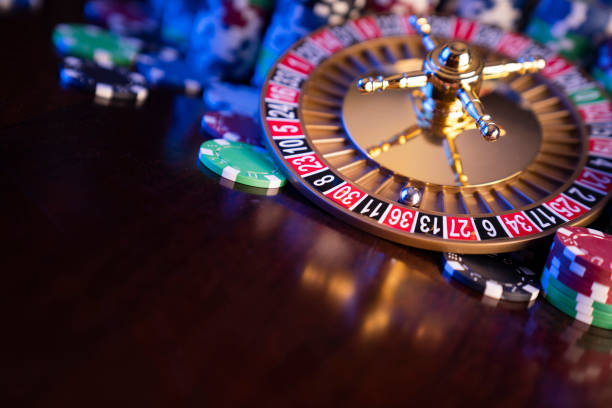
The dopamine release associated with winning, compounded by these reward systems, creates a compelling cycle of engagement. Each victory, no matter how small, reinforces the desire to keep playing. Casinos exploit this cycle with thoughtful design elements that create a sense of urgency and excitement, ensuring players remain invested both emotionally and financially in their gaming experiences.
The Influence of Sound Design
Sound design is another crucial component that plays a pivotal role in the casino experience, influencing the psychological state of the patrons. The auditory elements employed in a casino are purposefully developed to evoke emotions that correlate with enjoyment and excitement. Sounds such as bells, chimes, and celebratory music are strategically layered into the environment to mark wins, enhancing the celebratory atmosphere and prompting repeat play. This auditory feedback creates an association between winning and sound, making it a strong motivator for continued engagement.
Furthermore, the ambient sounds within a casino are often finely tuned to create a sense of energy and vibrancy. Background music is typically upbeat and encouraging, keeping the energy levels high. In higher-end establishments, the sounds may be more subdued and luxurious, influencing the overall experience differently. The control of sound not only helps shape an emotional landscape for guests but also subtly encourages them to remain in the gaming area longer, thus increasing the likelihood of further spending.
Ultimately, sound design in casinos serves to elevate the gaming experience while subconsciously reinforcing the desire to engage. By creating a soundscape that is both enticing and rewarding, casino designers effectively use audio elements to enhance the atmosphere, shaping player behavior and aligning it with their business objectives.
The Psychology of Color and Light
The use of color and lighting is deeply rooted in psychological principles and directly impacts player behavior in casinos. Colors can evoke certain emotions, influence moods, and even affect decision-making processes. Warm colors like red and gold are often employed to create a sense of urgency and excitement, while cooler tones may offer a calming effect. Bright lighting attracts attention and provides a sense of alertness, making slot machines and gaming tables undeniably appealing to passersby.

The strategic application of lighting plays into the casino’s overall design philosophy. Soft, ambient lighting may be used in lounge areas to create comfort, while brighter lighting highlights game areas, drawing guests to the action. Spotlighting on winning machines or tables creates a celebratory environment, suggesting that winning is not only possible but also commonplace. This clever manipulation of light supports the notion that the casino is a place of opportunity and thrill, further encouraging guests to engage with the games.
Moreover, color and light work hand-in-hand in reinforcing brand identity. Casinos often rely on signature color schemes that reflect their overall theme, helping to create a cohesive brand image that resonates with patrons. By understanding the psychological effects associated with color and light, designers can more effectively guide the behaviors of their guests, maximizing both enjoyment and engagement in the gaming experience.
Understanding Casino Websites
In the digital age, the transition of casino design extends beyond physical spaces to online platforms, where website design plays a critical role in attracting and retaining players. Similar to physical casinos, online casino design utilizes psychological principles to create engaging environments that encourage visitation and prolonged interaction. The aesthetics of a website, from its color schemes to its layout, are crucial in forming first impressions and impacting user experience.
Moreover, the integration of gamification elements on casino websites reflects a deeper understanding of human psychology. Features such as progress bars, achievement badges, and interactive tutorials serve to motivate players and enhance user engagement. By providing a sense of accomplishment and reward, online casinos can create a more immersive experience that mirrors the thrill of physical gaming, effectively drawing players into the online environment.
Ultimately, the principles of design that govern physical casinos also apply to their online counterparts, creating a seamless integration of gaming experiences. As casinos continue to evolve, understanding the psychological aspects that inform their design will remain vital to attracting new players and enhancing the overall user experience. With a focus on creating captivating digital experiences, online casinos are poised to effectively mirror the excitement and allure found in traditional establishments.